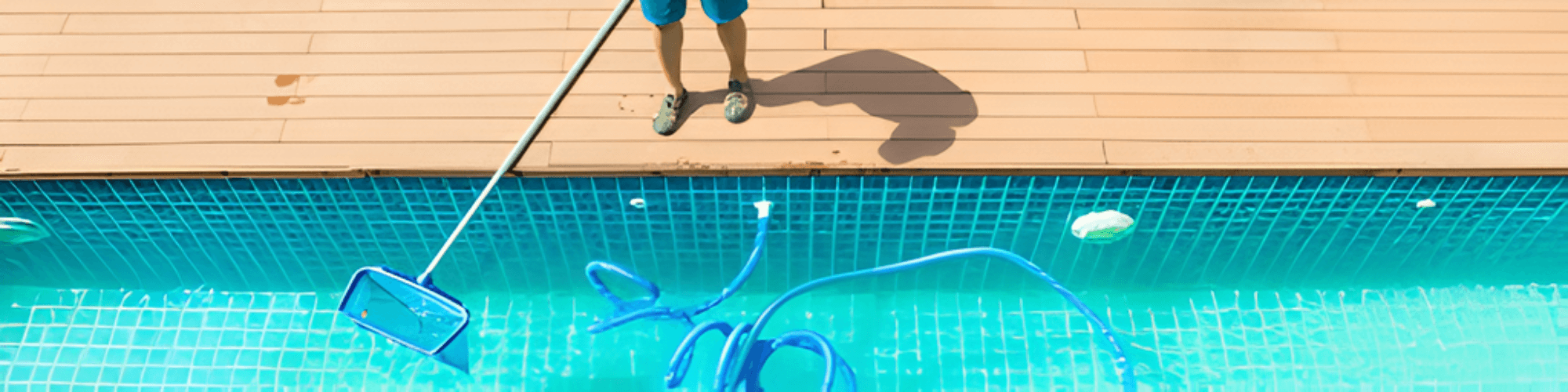

A sparkling, crystal-clear pool doesn’t happen by chance — it’s the result of careful maintenance, precise chemical balance, and an understanding of the science behind pool water analysis. Whether you’re relaxing after a long summer day or preparing for a weekend swim with family, your pool water’s chemistry plays a vital role in ensuring comfort, safety, and longevity. In this guide, we’ll dive into the science of pool water analysis, explaining how different elements interact, why they matter, and how seasonal changes in Australia can influence your water quality.
Why Understanding Pool Water Chemistry Matters
Pool water is a delicate balance of several key components. When these elements are in harmony, your water remains safe, clear, and gentle on your skin. But when they’re out of balance, issues like algae, corrosion, and cloudy water can occur.
Regular pool water analysis helps you:
- Keep water safe and comfortable for swimmers
- Prevent equipment damage caused by corrosion or scaling
- Maintain chemical efficiency and reduce unnecessary costs
- Avoid common water quality issues before they start
The Core Elements of Pool Water Chemistry
pH Level
The pH level measures how acidic or alkaline your pool water is, on a scale from 0 to 14. Ideally, pool water should sit between 7.2 and 7.6. This slightly alkaline range ensures comfort for swimmers and helps sanitising chemicals work effectively.
- Low pH (acidic): Can corrode pool equipment, etch plaster, and cause eye or skin irritation.
- High pH (alkaline): Can make water cloudy, reduce chlorine efficiency, and cause scale build-up.
Balancing pH is the foundation of good pool chemistry — it determines how other elements interact with one another.
Chlorine
Chlorine is the primary sanitiser used to kill bacteria and control algae growth. It works by releasing hypochlorous acid, a powerful disinfectant that neutralises harmful microorganisms.
However, chlorine levels can fluctuate with temperature, sunlight, and swimmer load — all common factors in Australian pools, especially during the summer months.
- Ideal Range: 1–3 ppm (parts per million)
- Too Low: Leads to algae growth and unsanitary conditions.
- Too High: Can cause skin irritation and strong chlorine odours.
Using stabilisers like cyanuric acid can help chlorine last longer under the Australian sun, where UV exposure is intense.
Total Alkalinity
Total alkalinity acts as a buffer for pH, helping to prevent sudden fluctuations. It measures the concentration of alkaline substances such as bicarbonates, carbonates, and hydroxides in the water.
- Ideal Range: 80–120 ppm
When alkalinity is too low, pH levels swing wildly, making it difficult to maintain chemical balance. If it’s too high, pH can become locked and resistant to adjustment. Regular testing ensures both stay stable.
Calcium Hardness
Calcium hardness refers to the amount of dissolved calcium in your pool water. It’s particularly important for protecting pool surfaces and equipment.
- Ideal Range: 200–400 ppm
Low calcium levels can cause the water to draw minerals from pool surfaces, leading to etching and damage. High levels result in scaling — the white, chalky deposits that can clog filters and discolour tiles.
Australia’s water hardness varies between regions, so regular testing helps you adjust based on your local water source.
Cyanuric Acid (Stabiliser)
Cyanuric acid, or pool stabiliser, protects chlorine from being broken down by UV rays. Without it, chlorine can evaporate rapidly — especially during Australia’s hot and sunny months.
- Ideal Range: 30–50 ppm
However, too much cyanuric acid can make chlorine less effective, so finding the right balance is key.
Metals and Minerals
Trace metals like copper and iron can find their way into your pool through the water supply or from equipment corrosion. In small amounts, they’re harmless, but if left unchecked, they can cause staining or greenish water. Metal sequestrants can help bind and remove these impurities.
How Australian Seasons Affect Pool Water Chemistry
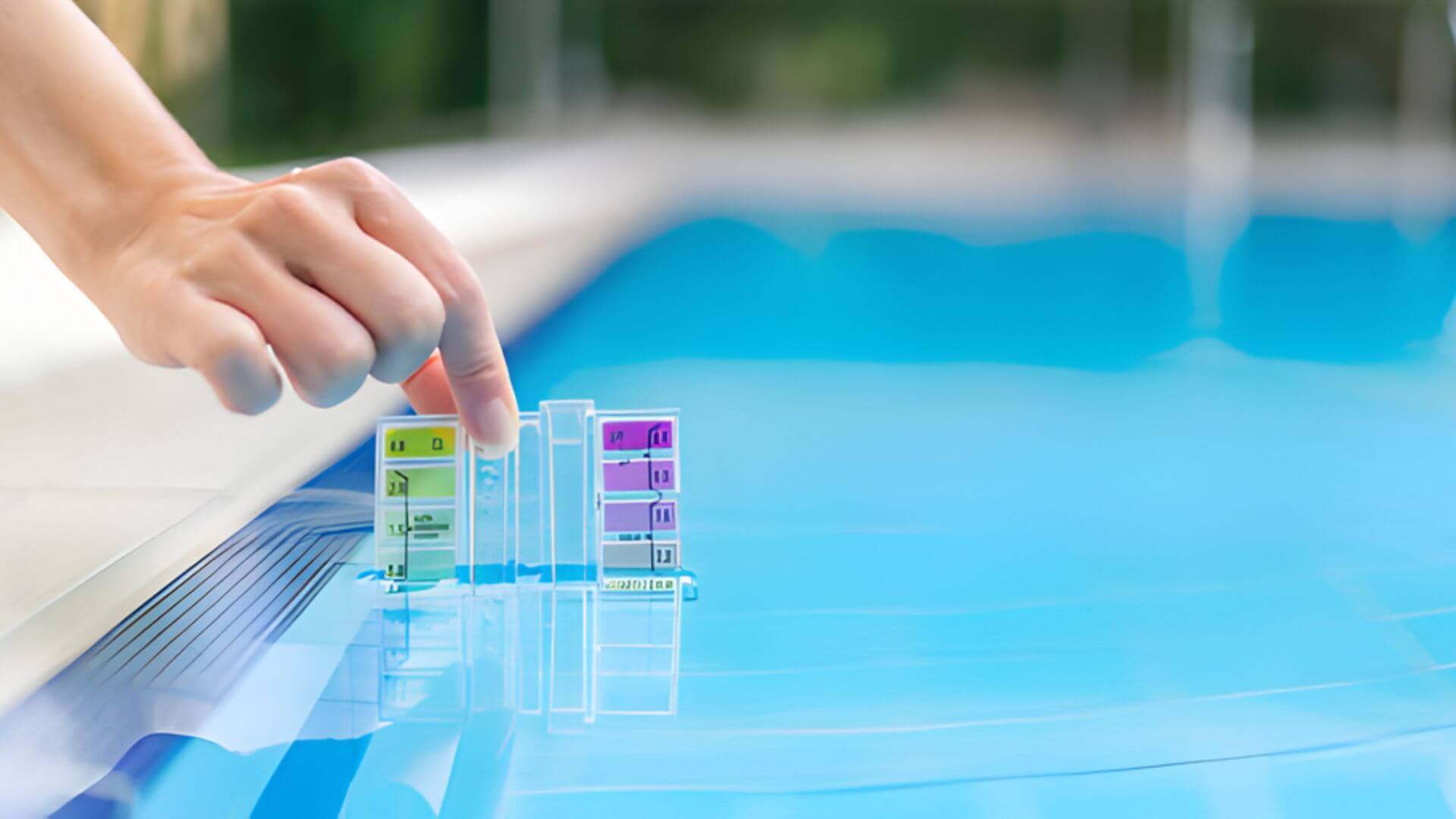
Australia’s climate plays a significant role in pool water balance. Each season brings different challenges that impact chemical levels:
- Summer: High UV exposure and increased pool use can deplete chlorine quickly. Test more often and adjust stabiliser levels.
- Autumn: Falling leaves and organic debris increase chlorine demand. Regular skimming and shock treatments help maintain clarity.
- Winter: Even when pools are used less, pH and alkalinity can drift. Test monthly to prevent imbalances before spring.
- Spring: Warmer weather encourages algae growth. A professional water analysis helps reset your pool chemistry for the new season.
Maintaining the correct balance year-round not only ensures clean water but also extends the life of your filters, heaters, and pumps.
The Role of Professional Pool Water Analysis
While at-home test kits are useful, professional pool water analysis provides a deeper, more precise understanding of your pool’s chemistry. Specialists use advanced testing equipment to measure a full spectrum of elements, including trace metals, phosphates, and stabilisers.
If you’ve been dealing with persistent issues such as cloudy water, staining, or rapid chlorine loss, a professional test can pinpoint the underlying cause and provide expert solutions.
You can learn more about professional water testing and maintenance services by visiting Glamour Pools and Spas. Their team ensures your pool remains balanced, safe, and sparkling throughout the year.
Keep Your Pool Perfect with Glamour Pools and Spas

Understanding the science behind pool water analysis empowers you to care for your pool with confidence. By monitoring pH, chlorine, alkalinity, calcium, and stabiliser levels — and adjusting for seasonal changes — you can enjoy a cleaner, more efficient pool all year round.
For expert advice, precise water testing, and premium pool care products, reach out to the specialists at Glamour Pools and Spas. Visit Glamour Pools and Spa for more pool care tips and insights to keep your water crystal clear and healthy.
Need help balancing your pool water? Contact Glamour Pools and Spas today for professional pool water analysis and expert care!