

Keeping your pool water clean, balanced, and safe requires regular testing. Whether you own a backyard pool used every weekend in summer or a spa enjoyed all year round, water chemistry plays a major role in comfort, safety, and equipment longevity. One of the most common questions pool owners ask is whether home testing kits are enough, or if professional pool water analysis is worth it.
The truth is, both options have their place. Understanding the differences between DIY testing and professional water analysis will help you decide what’s best for your pool, your budget, and Australia’s changing seasonal conditions.
Why Pool Water Testing Matters
Pool water may look clear, but that doesn’t always mean it’s balanced. Chemical levels constantly change due to heat, sunlight, rain, debris, and swimmer use. In Australia, strong UV exposure and warm temperatures can cause sanitiser levels to drop quickly, especially during summer.
Regular water testing helps to:
- Keep swimmers safe and comfortable
- Prevent algae growth and cloudy water
- Protect pool surfaces and equipment
- Reduce long-term maintenance costs
Without routine testing, small imbalances can turn into expensive repairs or ongoing water problems.
What is DIY Pool Water Testing?
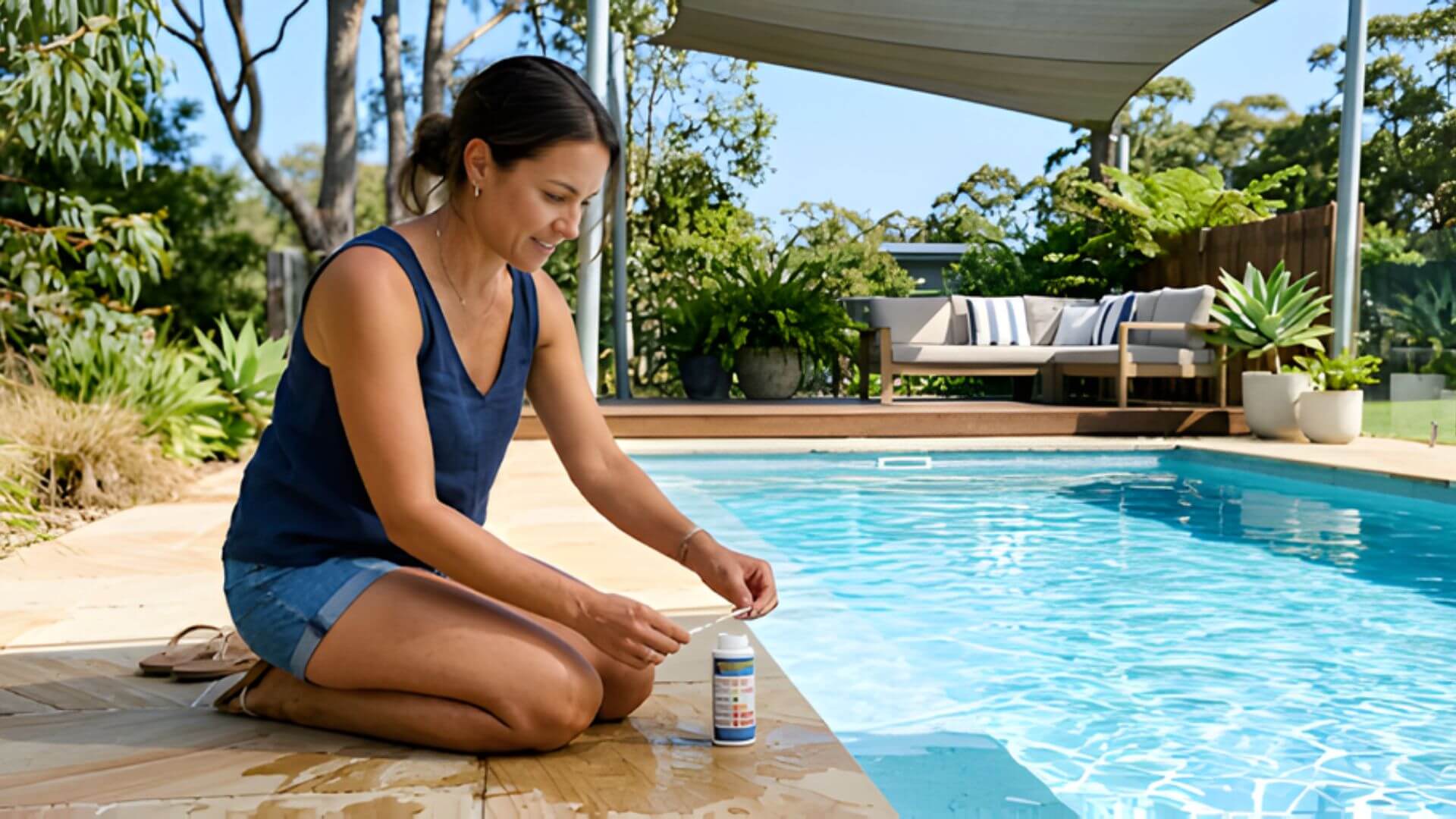
DIY pool testing involves using home testing kits to check chemical levels yourself. These kits are widely available and are designed for quick and simple use.
Types of Home Test Kits
Test Strips – Fast and easy to use, but less precise
Liquid Test Kits – More accurate, using reagents to measure chemical levels
Digital Testers – Provide better accuracy but require calibration and care
Most home kits test for:
- pH level
- Chlorine
- Total alkalinity
- Calcium hardness
- Stabiliser (cyanuric acid)
Benefits of DIY Testing
- Convenient for regular checks
- Affordable for ongoing maintenance
- Helps you monitor water between professional services
- Useful during high-use seasons like summer
DIY testing is ideal for routine weekly checks, especially when your pool is used frequently.
Limitations of DIY Testing
While home kits are helpful, they are not always precise. Test strips can be affected by lighting, timing, or user error. Even liquid kits may not detect more complex issues such as metals, phosphates, or chemical interactions.
DIY testing can also become confusing when results don’t seem to make sense, leading to over-treating the water with unnecessary chemicals.
What is Professional Pool Water Analysis?
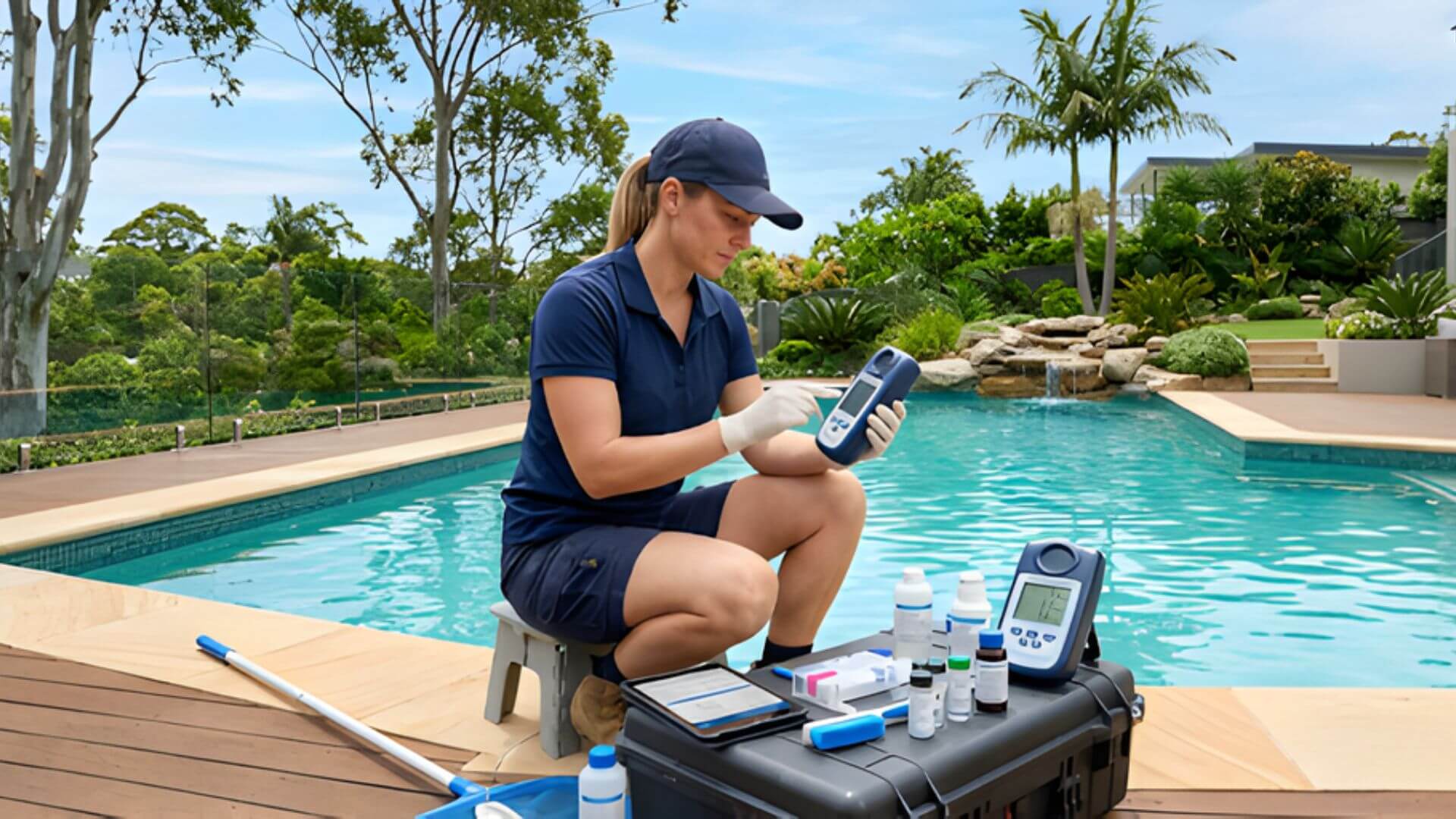
Professional pool water analysis uses specialised equipment to test your pool water with greater accuracy. Instead of relying on colour matching, professional testing measures chemical levels digitally and can detect a wider range of elements.
Professional testing typically checks:
- pH and chlorine balance
- Total alkalinity
- Calcium hardness
- Cyanuric acid
- Salt levels
- Metals and minerals
- Phosphates
- Total dissolved solids
Because the results are more detailed, adjustments can be made more precisely, helping to prevent recurring problems.
Benefits of Professional Water Analysis
- Highly accurate results
- Detects hidden issues
- Prevents long-term damage
- Saves money on unnecessary chemicals
- Extends equipment lifespan
Professional analysis is especially useful when your pool has ongoing issues such as cloudy water, staining, or rapid chlorine loss.
Seasonal Pool Care in Australia: Why Testing Needs Change
Australia’s climate means pool chemistry doesn’t stay the same all year. Testing needs to increase during certain seasons to keep water balanced.
Summer
High temperatures and strong sunlight reduce chlorine quickly. Frequent testing is essential to prevent algae growth.
Autumn
Leaves and debris increase organic matter in the water, which raises chlorine demand.
Winter
Pools are used less, but chemical balance still needs monitoring to prevent corrosion and staining.
Spring
Warmer weather encourages algae growth, making professional testing a good idea before the swimming season begins.
Combining DIY testing with occasional professional analysis is often the best approach for Australian pool owners.
When DIY Testing is Enough
DIY testing works well when:
- Your pool is already balanced
- You test regularly
- You understand basic water chemistry
- There are no visible problems
Routine home testing helps maintain stability between professional checks.
When You Should Choose Professional Testing
Professional pool water analysis is recommended when:
- Water stays cloudy
- Algae keeps returning
- Chemicals don’t seem to work
- Stains or scale appear
- You are opening the pool for summer
- You want a full seasonal check
If problems keep coming back, professional testing can identify the real cause instead of guessing.
The Best Approach: Combine DIY and Professional Testing
The most effective way to maintain perfect pool water is to use both methods.
DIY testing keeps you informed week-to-week, while professional analysis ensures nothing is missed. This combination helps keep your water clear, safe, and comfortable in every season.
Regular testing also protects pumps, filters, heaters, and pool surfaces from damage caused by incorrect chemical balance.
Keep Your Pool Perfect with Glamour Pools and Spas
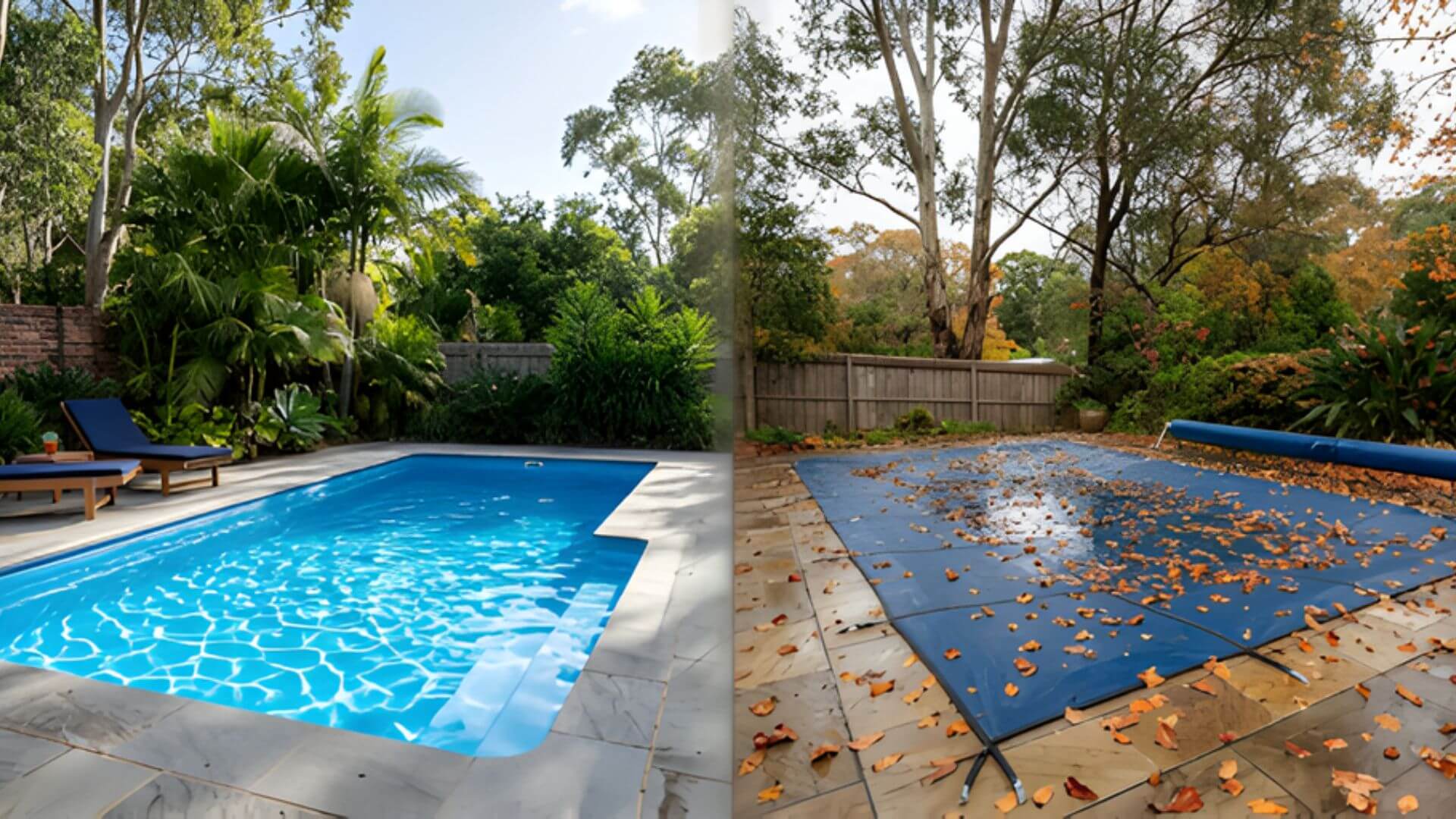
Whether you prefer testing your pool at home or want the confidence of professional analysis, keeping your water balanced is essential for a clean and enjoyable swimming experience.
At Glamour Pools and Spas, we provide accurate pool water testing, expert advice, and professional servicing designed for Australian conditions. Our experienced team can help you maintain the perfect balance all year round.
Book your professional pool water analysis with Glamour Pools and Spas today and enjoy crystal-clear water in every season.