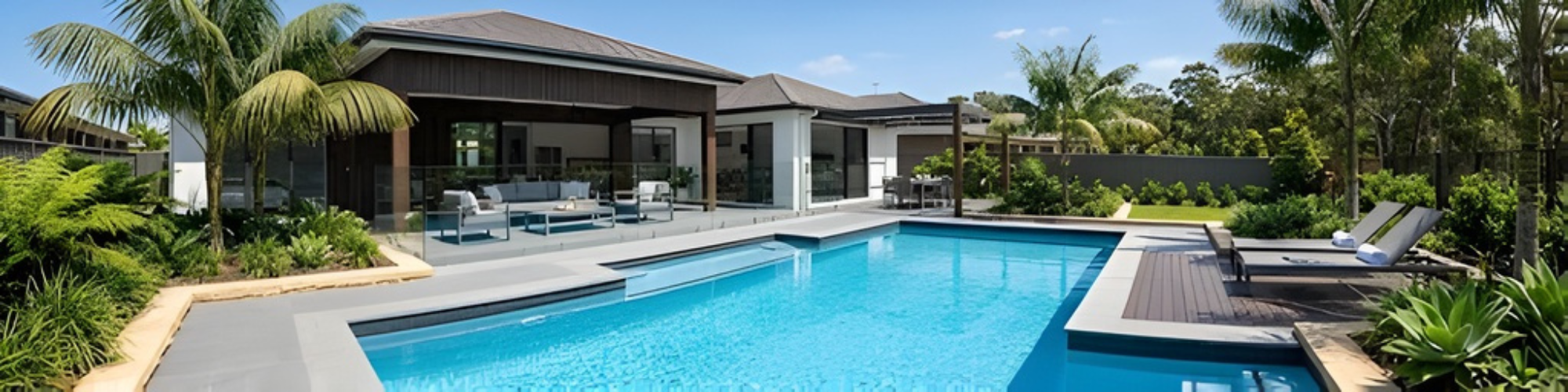
Owning a swimming pool in Australia is a lifestyle choice many homeowners love—especially when summer temperatures soar. However, when pool issues arise, it can be tempting to attempt a quick DIY fix to save money. While do-it-yourself pool repairs may seem cost-effective at first glance, they often lead to bigger problems, higher expenses, and unnecessary stress over time.
At Glamour Pools and Spas, we regularly assist clients who initially tried DIY repairs, only to discover that professional intervention was needed anyway. In this blog, we compare DIY pool repairs with professional services and explain why expert support is the smarter long-term investment for your pool’s health, safety, and value.
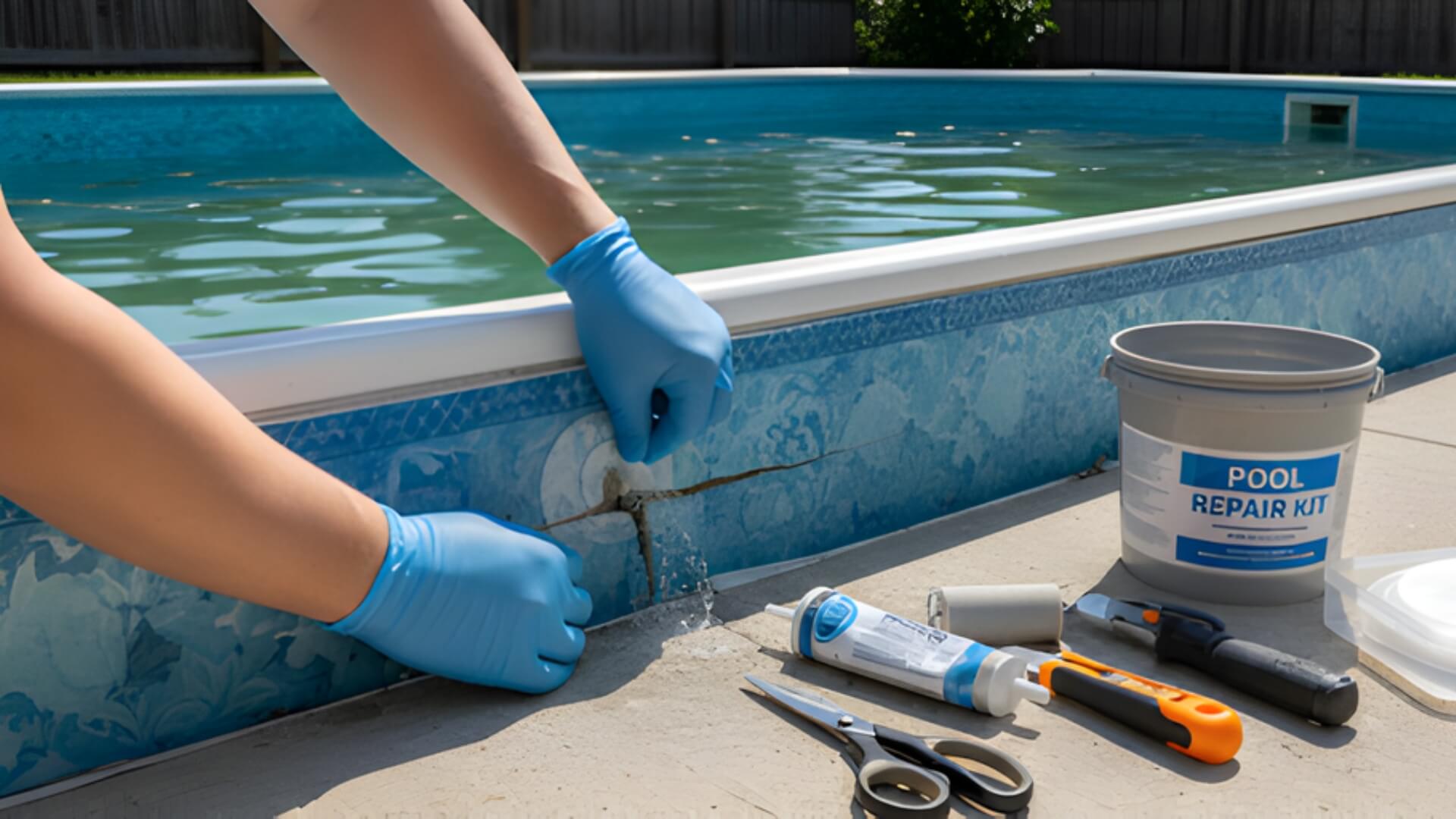
The Appeal of DIY Pool Repairs
DIY pool repairs often appeal to homeowners for a few simple reasons:
- Lower upfront costs
- Easy access to online tutorials and hardware supplies
- The satisfaction of fixing something yourself
Simple tasks like skimming leaves or topping up water levels are perfectly fine for homeowners to manage. However, more complex repairs—such as fixing leaks, repairing cracks, or servicing pool equipment—require technical expertise and specialised tools. Attempting these repairs without proper knowledge can cause more harm than good.
Common DIY Pool Repair Mistakes
Incorrect Leak Diagnosis
One of the most common DIY mistakes is misidentifying the source of a leak. What appears to be a surface issue may actually stem from underground plumbing or faulty fittings. Applying sealants or patches without proper detection can temporarily mask the problem while allowing structural damage to worsen.
Using the Wrong Materials
Not all pool materials are created equal. Using unsuitable fillers, adhesives, or parts can lead to rapid deterioration—especially under Australia’s harsh UV exposure and fluctuating temperatures. This often results in repeated repairs and added costs.
Equipment Mismanagement
Pool pumps, filters, heaters, and chlorinators are complex systems. DIY repairs can lead to improper installation, reduced efficiency, or even permanent equipment failure. In some cases, incorrect handling can void manufacturer warranties altogether.
Overlooking Safety Risks
DIY repairs can pose serious safety risks, particularly when working with electrical components or chemical systems. Improper handling may put you and your family at risk, especially during peak swimming seasons.
How DIY Repairs Can Increase Long-Term Costs
While DIY repairs might save a small amount initially, they often result in higher expenses over time due to:
- Repeat repairs caused by temporary or incorrect fixes
- Water loss and higher utility bills from unresolved leaks
- Damage escalation, turning minor issues into major structural problems
- Premature equipment replacement due to improper handling
- Reduced property value from visible or unresolved pool damage
In contrast, professional pool repairs focus on long-term solutions rather than short-term fixes.
The Professional Advantage: Why Expertise Matters
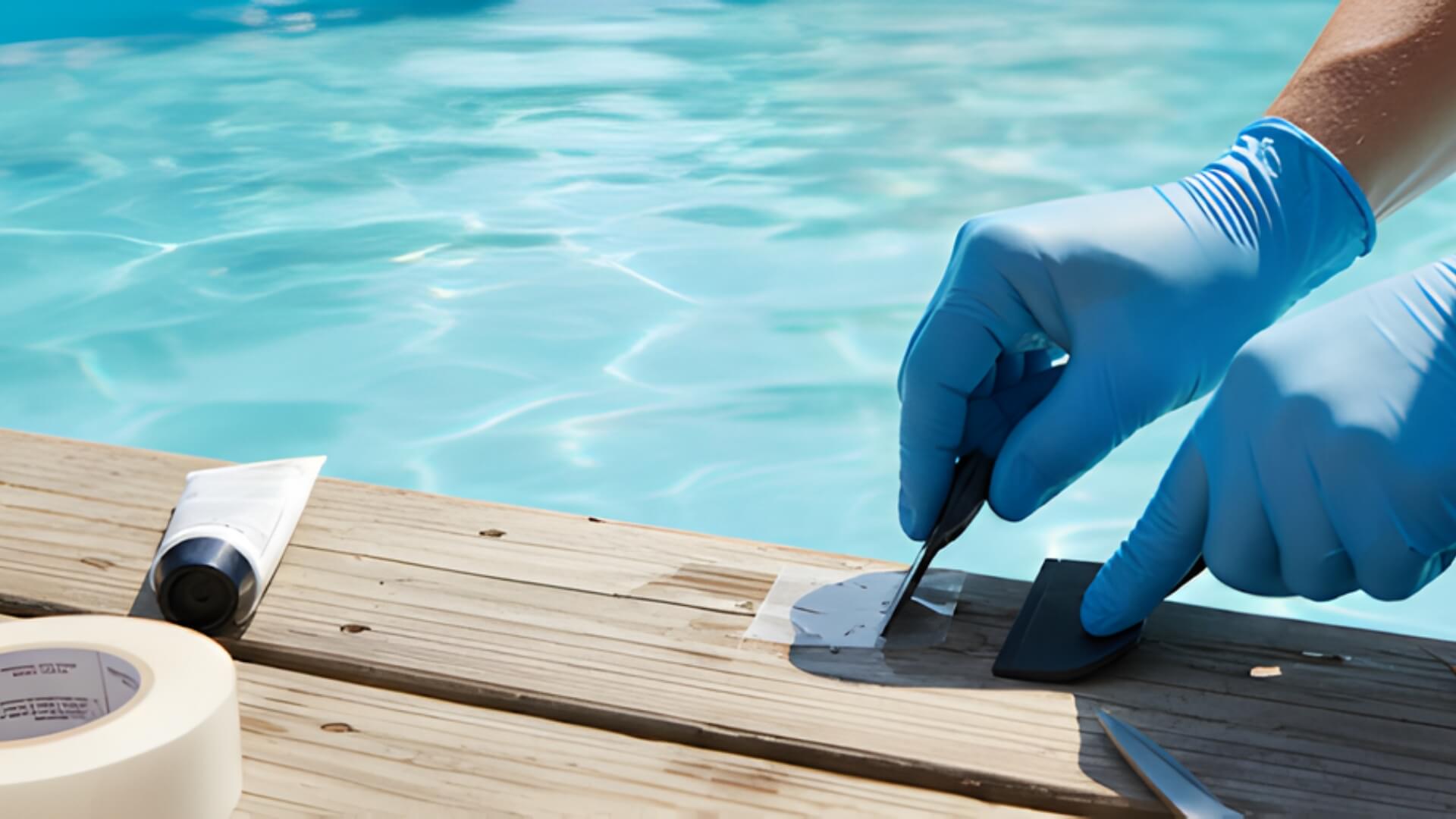
Accurate Diagnosis
Professional technicians use advanced tools and proven techniques to identify the root cause of pool problems. This ensures the issue is fully resolved rather than temporarily concealed.
Long-Lasting Repairs
At Glamour Pools and Spas, we use high-quality materials designed specifically for Australian conditions. Our repairs are built to withstand intense summer heat, seasonal rain, and year-round exposure.
Time and Stress Savings
DIY repairs can be time-consuming and frustrating—especially if the issue persists. Professional services allow you to focus on enjoying your pool rather than troubleshooting it.
Compliance and Safety
Professional repairs adhere to Australian safety standards and industry best practices, ensuring your pool remains safe for family and guests.
Australian Seasons and Their Impact on Pool Repairs
Australia’s seasonal changes play a significant role in pool maintenance and repair needs.
Summer
High pool usage during summer increases strain on equipment and surfaces. DIY repairs made during this time often fail due to constant water movement and chemical exposure. Professional repairs ensure your pool performs reliably when you need it most.
Autumn
Falling leaves and debris can clog filters and plumbing. This is a key time for inspections and repairs before winter arrives.
Winter
Winter is ideal for professional pool repairs. With reduced usage, technicians can address structural or equipment issues thoroughly, preparing your pool for summer without disruption.
Spring
Spring is about readiness. Any DIY shortcuts taken previously often reveal themselves now. Professional repairs in spring ensure your pool is safe, clean, and efficient for the warmer months ahead.
Why Choose Glamour Pools and Spas
At Glamour Pools and Spas, we bring experience, precision, and reliability to every repair job. Our team understands the unique challenges Australian pool owners face and provides tailored solutions that protect your investment.
Our services include:
- Leak detection and repair
- Crack and surface restoration
- Pool equipment repair and replacement
- Preventative inspections and seasonal maintenance
- Expert advice backed by industry experience
We don’t just fix problems—we prevent them from returning.
Invest in Your Pool the Right Way with Glamour Pools and Spas
Cutting corners with DIY pool repairs may seem convenient, but the long-term costs often outweigh the initial savings. Professional repairs offer peace of mind, lasting results, and better value for your property.
If your pool is showing signs of wear, malfunctioning equipment, or water loss, now is the time to act.